


123 Years After His Death, the Church of England Said Sorry to Bishop Samuel Ajayi Crowther
One hundred and twenty-three years after the death of Bishop Samuel Ajayi Crowther, the Church of England finally apologised for the way he was treated in his lifetime.
Between 1880 and 1891, Crowther faced sustained opposition from some young European missionaries who were uncomfortable serving under a Black bishop. They resisted the idea of white ministers submitting to African leadership and regarded Black people as unfit for such authority.
The crisis came to a head in 1890, during a meeting in Onitsha. There, the European missionaries stripped Crowther of control over the mission’s finances and administration. They also suspended and dismissed several African ministers and mission workers whom he had appointed.
The humiliation did not end there.
The missionaries also sold the building Crowther had established in Lokoja for African missionaries, on the grounds that it was too magnificent for them. The building was eventually sold to Sir George Goldie’s Royal Niger Company, which reportedly converted it into a military base.
Crowther was deeply distressed by the dismantling of the work he had spent years building and by the humiliation suffered by his African ministers.
He resigned in 1890. The following year, in 1891, he suffered a stroke and died.
But 123 years after his death, something remarkable happened.
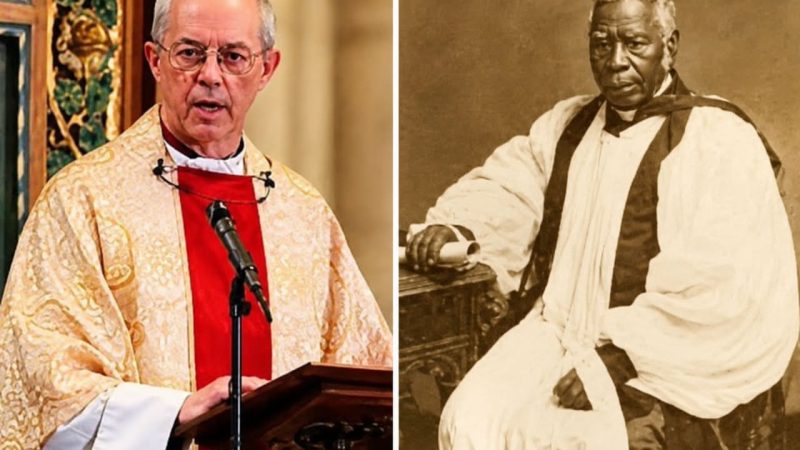
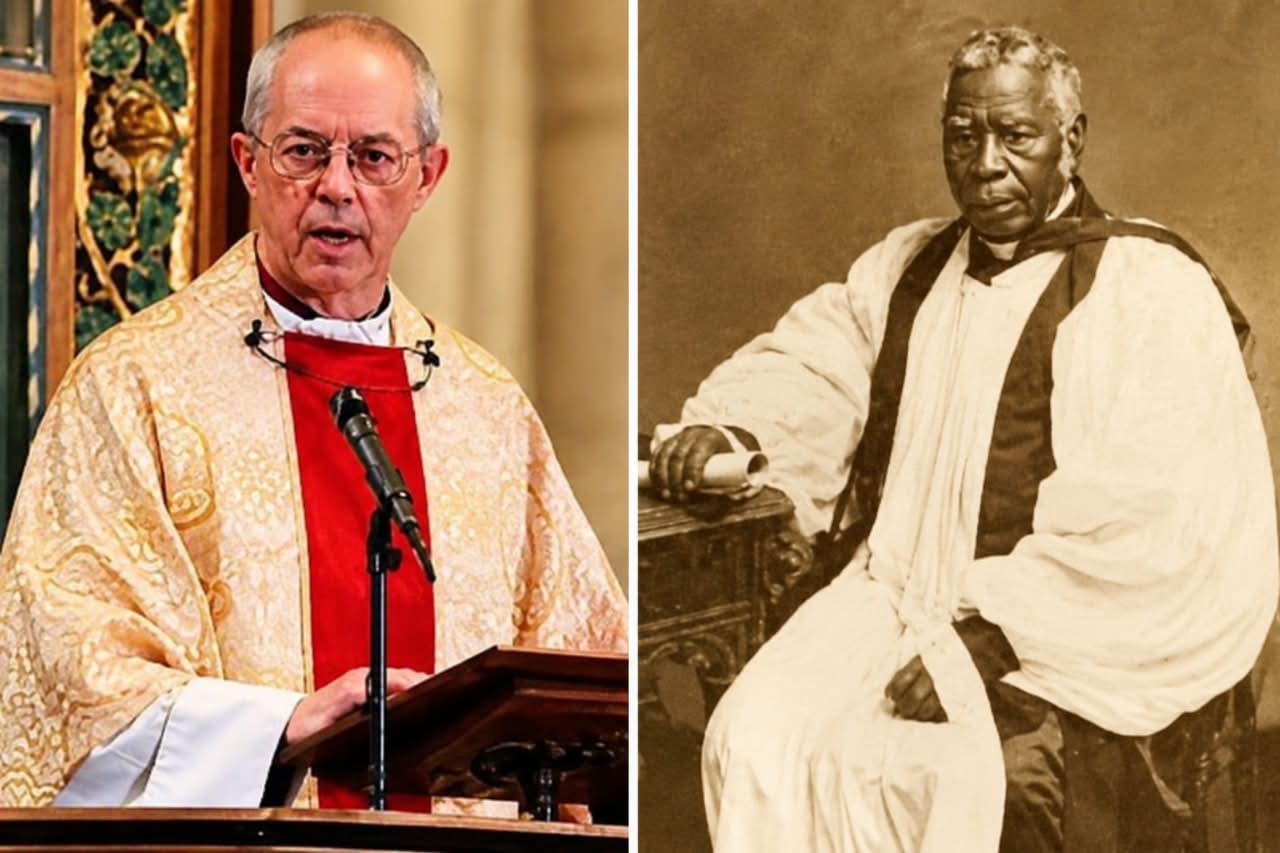
In 2014, the Archbishop of Canterbury, the Most Reverend Justin Welby, speaking on behalf of the Church of England, publicly apologised for the injustice Crowther had suffered. He was preaching at a service of thanksgiving and repentance at Canterbury Cathedral marking the 150th anniversary of Crowther’s consecration as the first African bishop of the Anglican Church.
He said:
“We in the Church of England need to say sorry that someone was properly and rightly consecrated Bishop and then betrayed and let down and undermined. It was wrong.
“We are sorry for his suffering at the hands of Anglicans in this country.”
It was a long-delayed acknowledgement of a painful chapter in mission history, and an important part of African history that deserves to be remembered.